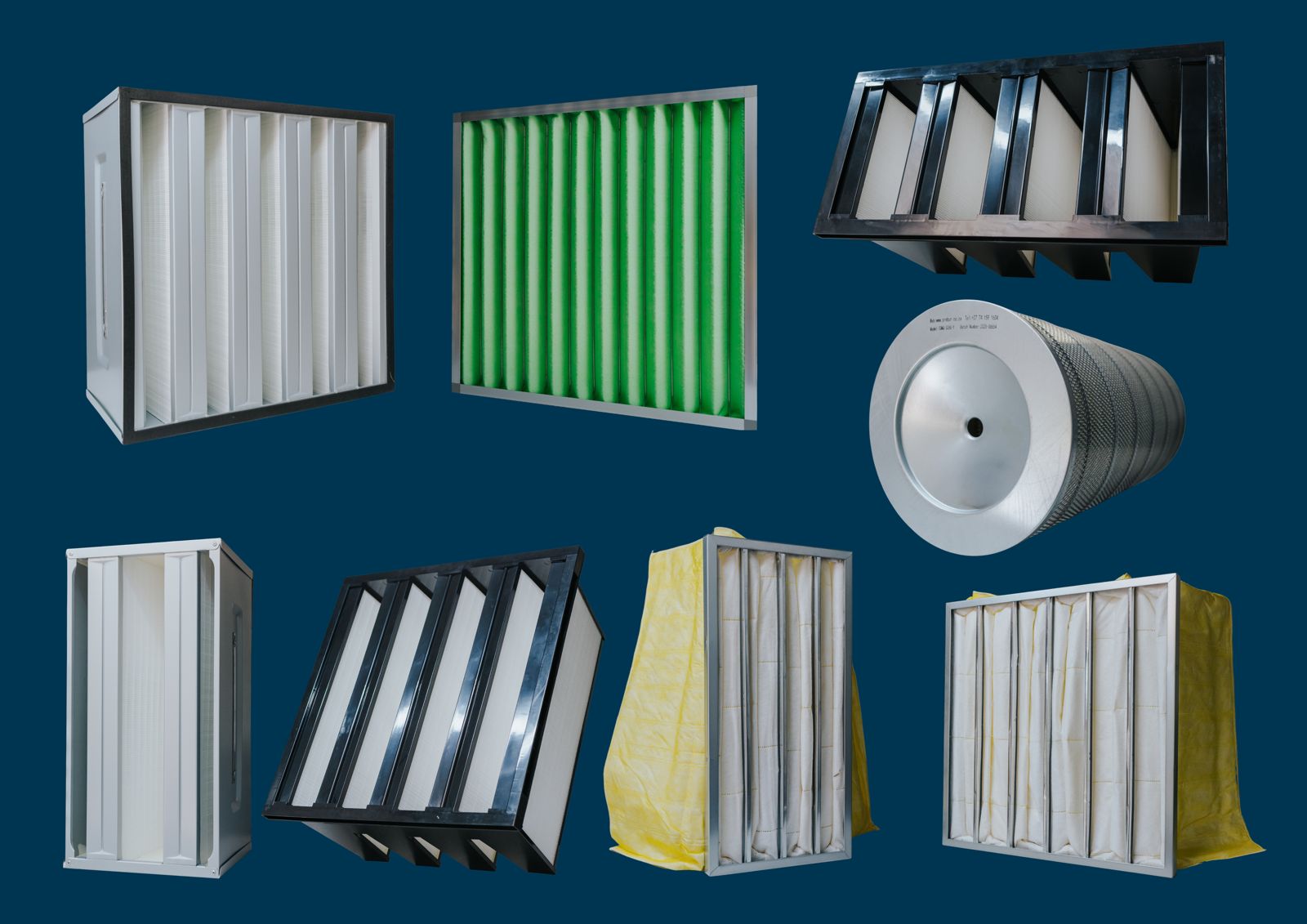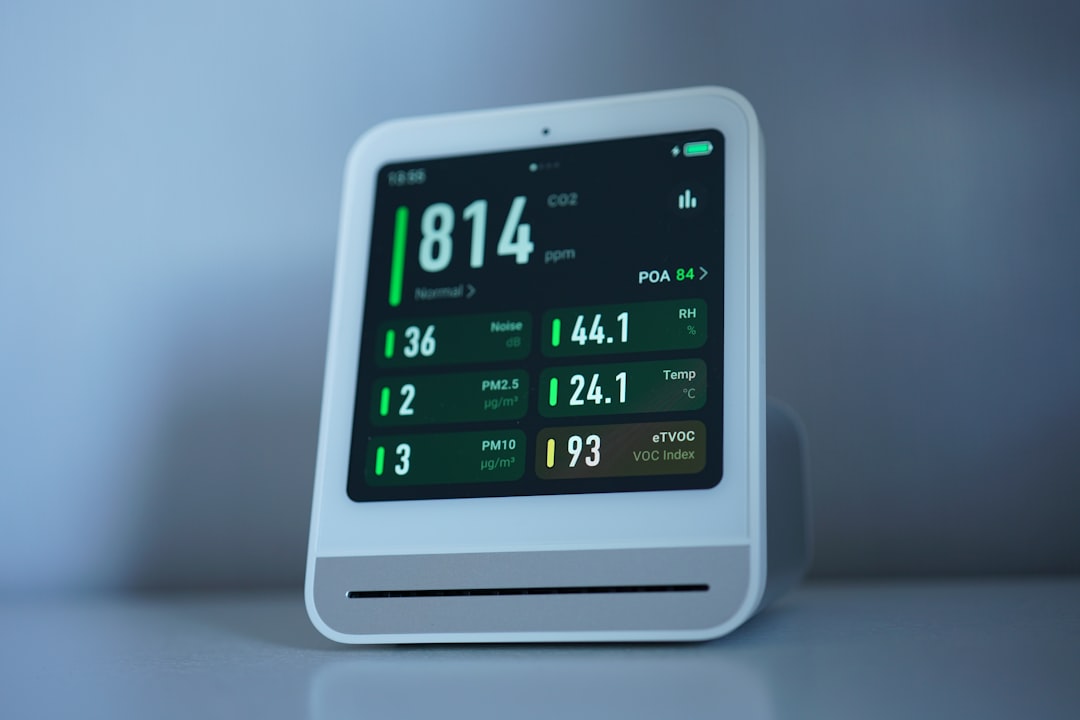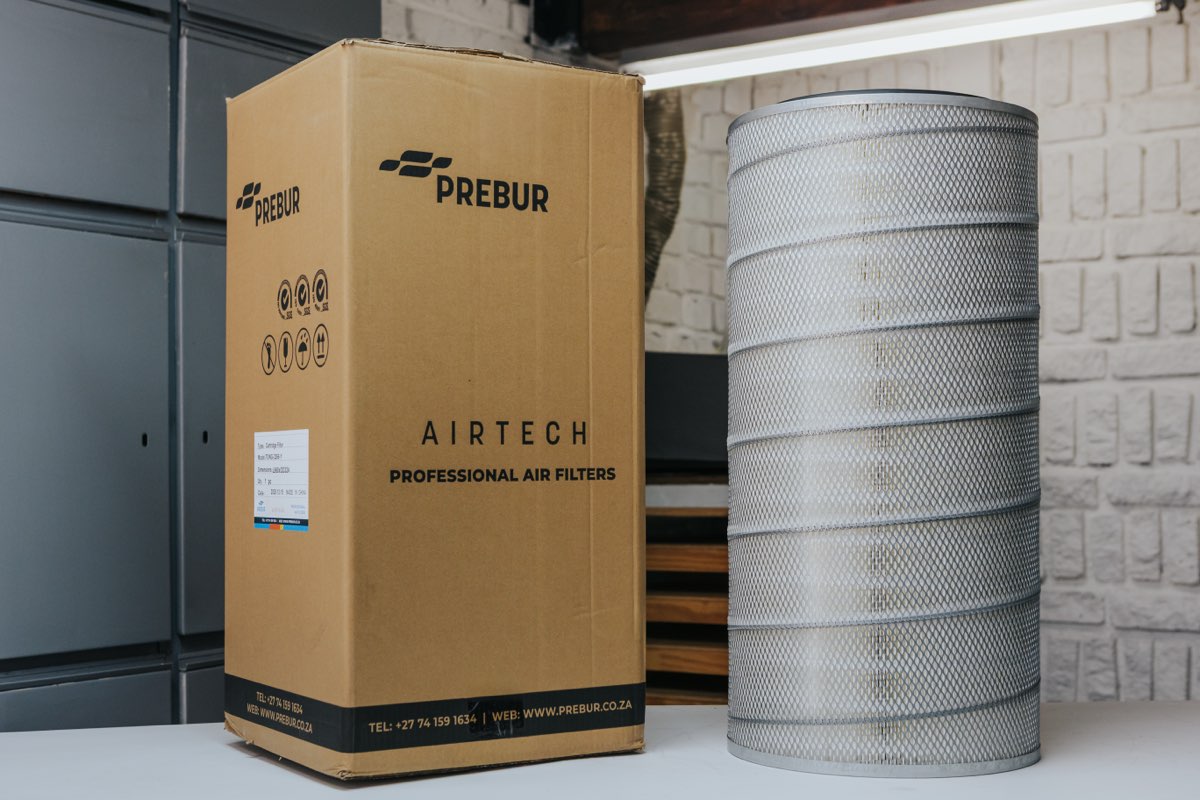
When a set of cartridge filters dies months early, the natural response is to blame the filters and order another set. That is usually a misdiagnosis. Early cartridge filter failure in a dust collector traces back to one of three root causes: a pulse cleaning system that is not doing its job, filter media that does not suit the dust, or a cartridge that was never right for the housing.
Replace the elements without fixing the underlying cause and the new set fails on the same schedule. This post works through each cause, shows how to read the failure mode off your differential pressure gauge, and covers what to confirm before you order replacements. For pulse-jet system basics and the full cross-referencing checklist, see our baghouse filter guide: this post assumes that background and deals with diagnosis.
The Short-Life Problem
Start by defining early. The correct replacement trigger for a dust collector filter is differential pressure, not the calendar: replace the set when pressure across the housing reaches 900 Pa and pulse cleaning can no longer bring it back below 700 Pa. Normal operation sits in the 200 to 600 Pa band. If your last set hit that threshold in a fraction of the time the previous set managed, something in the system changed. The filters are the symptom.
Short cartridge life is a compound cost. You pay for the elements and the downtime of the change-out. You also pay for the compressed air a struggling cleaning system burns pulsing against media it can no longer clean. On a collector with dozens of elements, halved filter life is a meaningful line in the maintenance budget.
Each cause leaves a different fingerprint on the gauge and in the housing. Spend an hour with the differential pressure log and a torch before ordering the next set.
Failure Cause 1: The Pulse Cleaning System
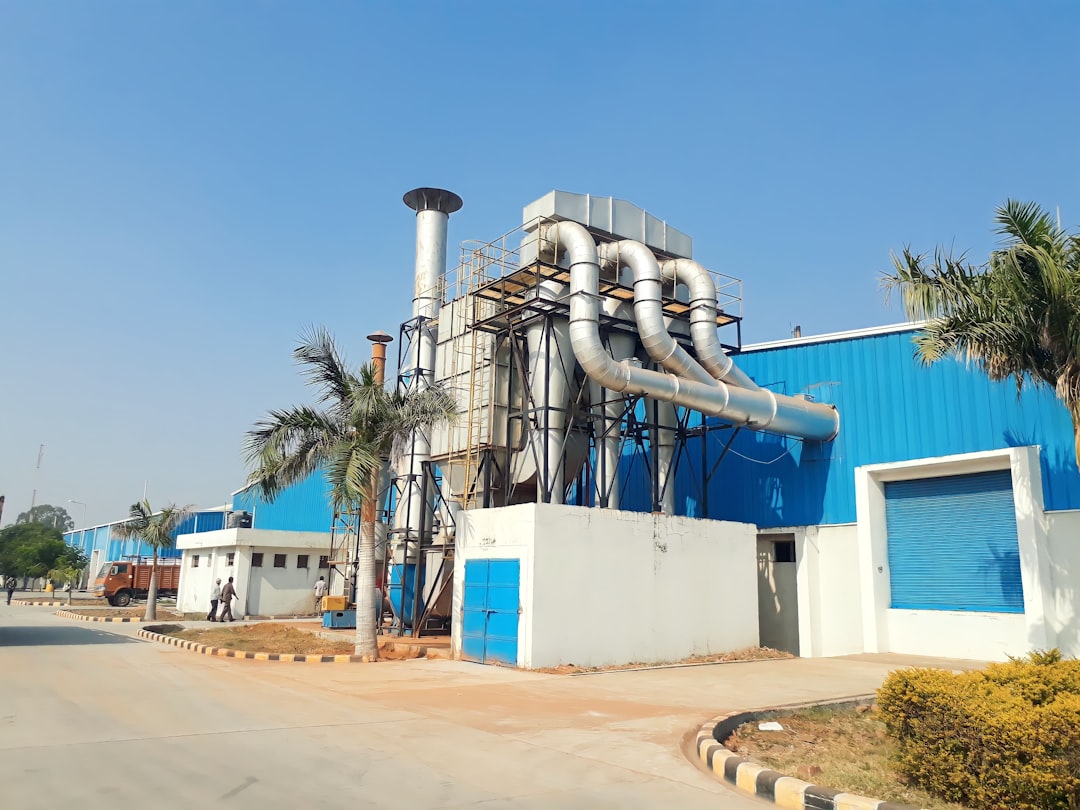
The cleaning system fails more cartridges than the cartridges themselves do. Three faults dominate: wrong pulse pressure, poor compressed air quality, and worn valves.
Wrong pulse pressure. Pulse pressure has a narrow sweet spot. Too low and the pulse cannot knock the dust cake off the pleats: the cake compacts and the media blinds. Too high and every pulse flexes the pleated media, wearing it out mechanically before it blinds; pleats are less forgiving of over-pressure than woven fabric bags. The EPA fact sheet on cartridge collectors gives a broad design range of 415 to 830 kPa, and most systems run at 5 to 7 bar. Check the plate on your collector and verify the header gauge reads what the plate specifies. Cleaning more often than the dust load requires is its own fault: it shortens filter life through media fatigue and wastes compressed air (Processing Magazine), and the EPA notes that aggressive cycling can simply redistribute dust between neighbouring cartridges.
Wet or oily compressed air. This is the most common hidden cause. Moisture or compressor oil carried in the pulse air coats the media from the clean side. Dust sticks to the film instead of caking loosely. The media muds up, and pulsing cannot recover it. The same wet air degrades the rubber diaphragms in the pulse valves, so one fault sets up the next. If your air receiver drains water, or there is no dryer, moisture trap or oil filter ahead of the collector header, start here.
Worn diaphragm valves. The diaphragm valve is a wear item. Diaphragms stiffen, tear or clog with age, and the result is a weak pulse, or none at all, on the rows that valve serves. Those rows stop cleaning, load first, and drag the whole housing’s differential pressure up. A row of cartridges noticeably dirtier than its neighbours at change-out points straight at its valve.
Failure Cause 2: Media Mismatch
Cellulose and synthetic media both have their place; the selection basics are in the baghouse guide. The diagnostic question is what kills each one.
What kills cellulose: moisture. Cellulose media absorbs moisture and swells. In a humid plant, a wash-down area, or a process running near dew point, the weakened fibres let the dust cake turn crusty and plug the pleats. Hygroscopic dusts such as cement pull moisture out of the air on their own and cake permanently onto cellulose. Cellulose also tops out around 70 degrees C continuous. If dead cartridges come out with hard, crusted cake that pulsing never shifted, and the media is cellulose, you have found your cause.
What polyester tolerates. Spunbond polyester holds its pleat geometry under repeated pulsing, recovers from an occasional moisture excursion (it is still not a wet-application media), and handles substantially higher temperatures, roughly 80 to 130 degrees C depending on the specific media. Many spunbond media can also be washed. The trade-off is purchase price: synthetic elements cost more than cellulose up front.
If the dust, moisture or temperature profile has changed since the collector was specified, the original media choice may no longer fit, and the replacement should be re-selected against current conditions rather than the original spec.
Failure Cause 3: The Wrong Cartridge
The third cause is a cartridge that never suited the housing, however sound the media.
Undersized filtration area. Cartridge collectors are designed around far lower air-to-media ratios than fabric baghouses. Fit elements with too little media area for the airflow, or push more air through the housing than it was designed for, and the ratio climbs: dust is driven deep into the pleats instead of caking on the surface, and the cleaning system cycles harder to compensate. Every element in the housing ages fast. If short life arrived after a fan upgrade or extra extraction points were teed in, suspect the ratio.
Seal and gasket failure. The gasket between the cartridge and the tube sheet is the only barrier between the dirty and clean sides of the housing (EPA fact sheet). A damaged, hardened, missing or badly seated gasket gives dusty air a path around the media. The tell is dust on the clean side: in the clean air plenum, at the outlet, or on downstream equipment, while the gauge reads deceptively low, because differential pressure only measures air passing through the media.
Wrong fit for the housing. End cap style, seating direction, clamp or thread arrangement and gasket profile all have to match the tube sheet. A near-miss cartridge can often be forced into place, and it will even run, but the seal will leak and the cleaning pulse will not distribute as designed. When cross-referencing on dimensions alone, confirm the fit details as well as length and diameter.
Reading the Signs: Differential Pressure Tells the Story
Your differential pressure gauge is the best diagnostic instrument on the collector. A clean set of cartridges typically installs at 100 to 160 Pa. Normal operation runs at 200 to 600 Pa, rising as the cake builds and dropping after each cleaning cycle. Departures from that rhythm identify the failure:
| Gauge signature | Likely cause | Where to look first |
|---|---|---|
| Rises and recovers with each cleaning cycle, stays within 200–600 Pa | Normal operation | Nothing: log the readings and carry on |
| Steady climb that pulse cleaning cannot recover, heading for 900 Pa | Blinded media: failed cleaning system, wet or oily pulse air, or moisture in the process | Compressed air quality, header pressure, diaphragm valves |
| Reads deceptively low or normal, but dust appears on the clean side or at the outlet | Seal bypass: air going around the media, not through it | Gaskets, cartridge seating, tube sheet |
| Sudden drop from the normal operating range | Ruptured media or a dislodged cartridge | Pull and inspect the suspect row for tears and pinholes |
The can’t-clean-down condition in the second row is the one plants most often misread. A gauge climbing towards 900 Pa looks like worn-out filters. It usually means the cleaning side failed first: check the compressed air and the valves before the new set goes in.
Log the readings. A weekly entry takes a minute and gives you a dated record to compare set against set.
Choosing a Replacement Industrial Cartridge Filter
Once the root cause is fixed, the replacement itself is straightforward. Prebur supplies Airtech cartridge filters from stock in Silverton, Pretoria:
| Model | Dimensions | Grade | Rated airflow | Initial resistance |
|---|---|---|---|---|
| Airtech cartridge L600 | L600 × OD324mm | F6 | 1 000 m³/h | ≤160 Pa |
| Airtech cartridge L660 | L660 × OD324mm | F6 | 900 m³/h | ≤160 Pa |
Both are manufactured to EN779 and cross-reference against common pulse-jet tube sheet dimensions; the L600 is a direct match for common Wheelabrator shot blast reclaim housing sizes. Full specifications are on the cartridge filters product page, and we supply industrial plants nationwide, as we have since 1989.
Cross-referencing from an existing part is quick. Send the part number off your current cartridge, or the details listed in the baghouse filter guide, to Nick on +27 74 159 1634 and he will confirm a cross-reference and availability the same business day.
Beyond the two stocked models, we supply cartridges manufactured to specification: PTFE-membrane, antistatic or repellent-treated media, custom pleat counts and dimensions, and alternative end caps matched to your housing, for both air and wet filtration duties. These are quoted per specification, so state the dust type, the operating temperature and the media or end-cap requirement when you request a quote.
Non-standard dimensions are manufactured on a 7 to 10 day lead time. Orders for in-stock standard sizes placed before midday are despatched same day, and online orders carry free nationwide delivery.
Short cartridge life on your collector? Call Nick Els on +27 74 159 1634 or get a quote.
Frequently Asked Questions
How long should dust collector cartridge filters last?
There is no honest single number. Service life is set by the dust load and how fine the dust is, how well the media matches the dust (moisture, temperature, stickiness), the health of the pulse cleaning system, and whether the housing is sized for the airflow it now handles. Manage on differential pressure instead: replace at 900 Pa when cleaning cannot recover below 700 Pa, and track the interval between changes as your site baseline.
Can cartridge filters be washed and reused?
Cellulose cannot: it absorbs moisture and swells, and washing destroys it. Some spunbond polyester media are washable; check the media specification first. Two cautions: washing does not fix a cleaning-system or sizing fault, and media blinded by oily pulse air does not recover by washing or pulsing alone. Treat washing as a stopgap, not a maintenance plan.
What pulse pressure should my dust collector run at?
The pressure on the manufacturer's plate. As a sanity check, the EPA design range for cartridge collectors is 415 to 830 kPa, and most systems run at 5 to 7 bar. Too low under-cleans and lets the cake compact; too high fatigues pleated media. Verify the pressure at the header gauge itself, because compressor output is not what reaches the valves.
Should I choose polyester or cellulose media?
Cellulose suits dry, ambient-temperature general industrial dust. Choose spunbond polyester when moisture is present or possible, when the dust is hygroscopic (cement is the classic case), or when temperatures run above cellulose's roughly 70 degrees C limit. If in doubt, describe the dust and the process to Nick and he will recommend a media. Specialised media (PTFE membrane, antistatic, water- or oil-repellent treatments) are available made to order.
Can a cartridge be re-sleeved instead of replaced?
No. Re-sleeving is a repair for fabric bags in older baghouse designs. A pleated cartridge is a bonded assembly of media, mesh and end caps, and is replaced as a complete element. If you run an older bag-type collector, call Nick and describe the housing.
Do you stock dust collector cartridge filters in South Africa?
Yes. The two standard Airtech sizes (L600 and L660, both OD324mm) are held in stock in Silverton, Pretoria, with same-day despatch on orders placed before midday. Custom sizes carry a 7 to 10 day lead time, and availability is confirmed the same business day. Free nationwide delivery applies to online orders.
Need help choosing the right filter?
Speak to Nick Els for expert advice on filter selection, cross-referencing, and pricing for your facility.