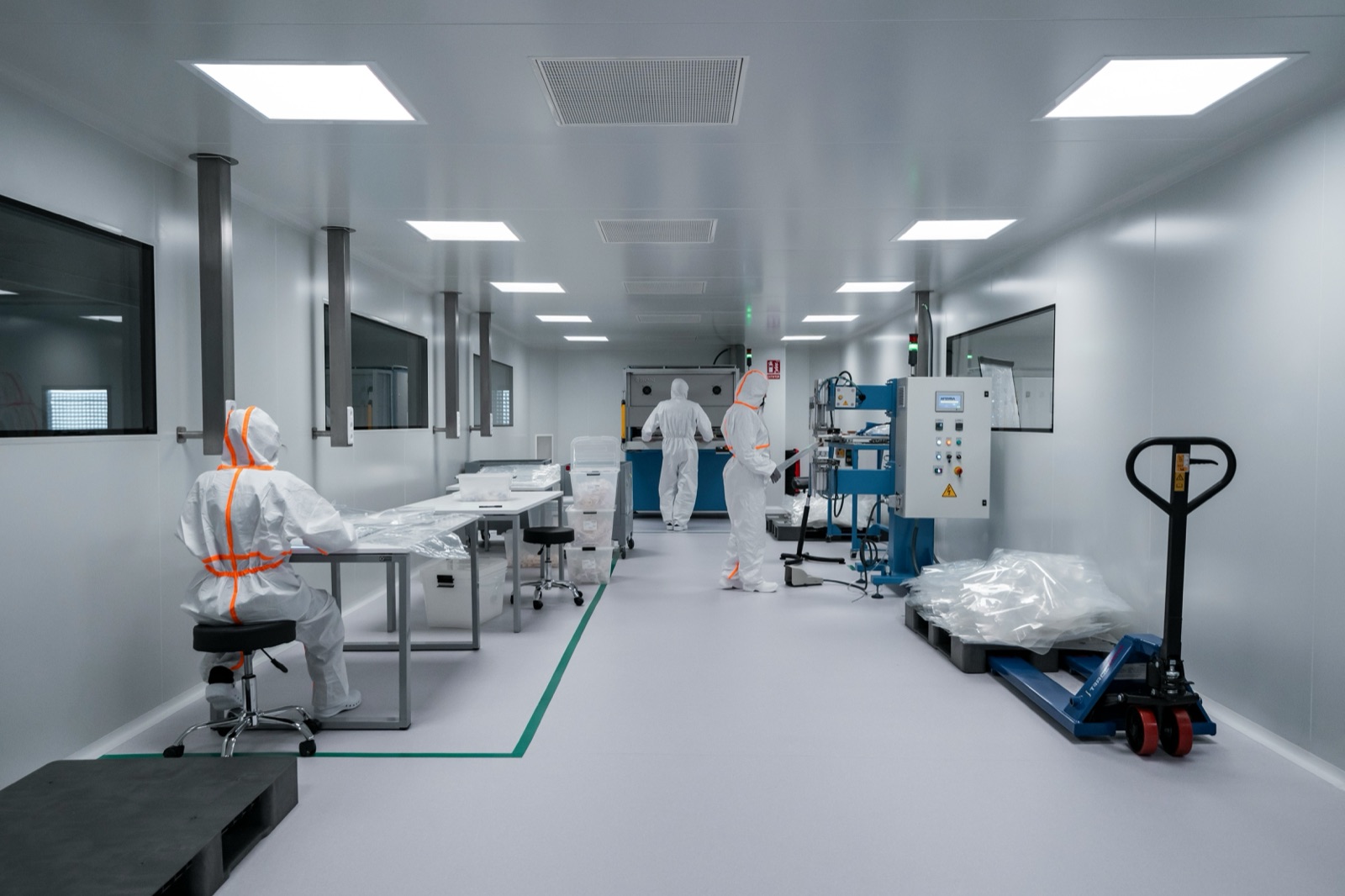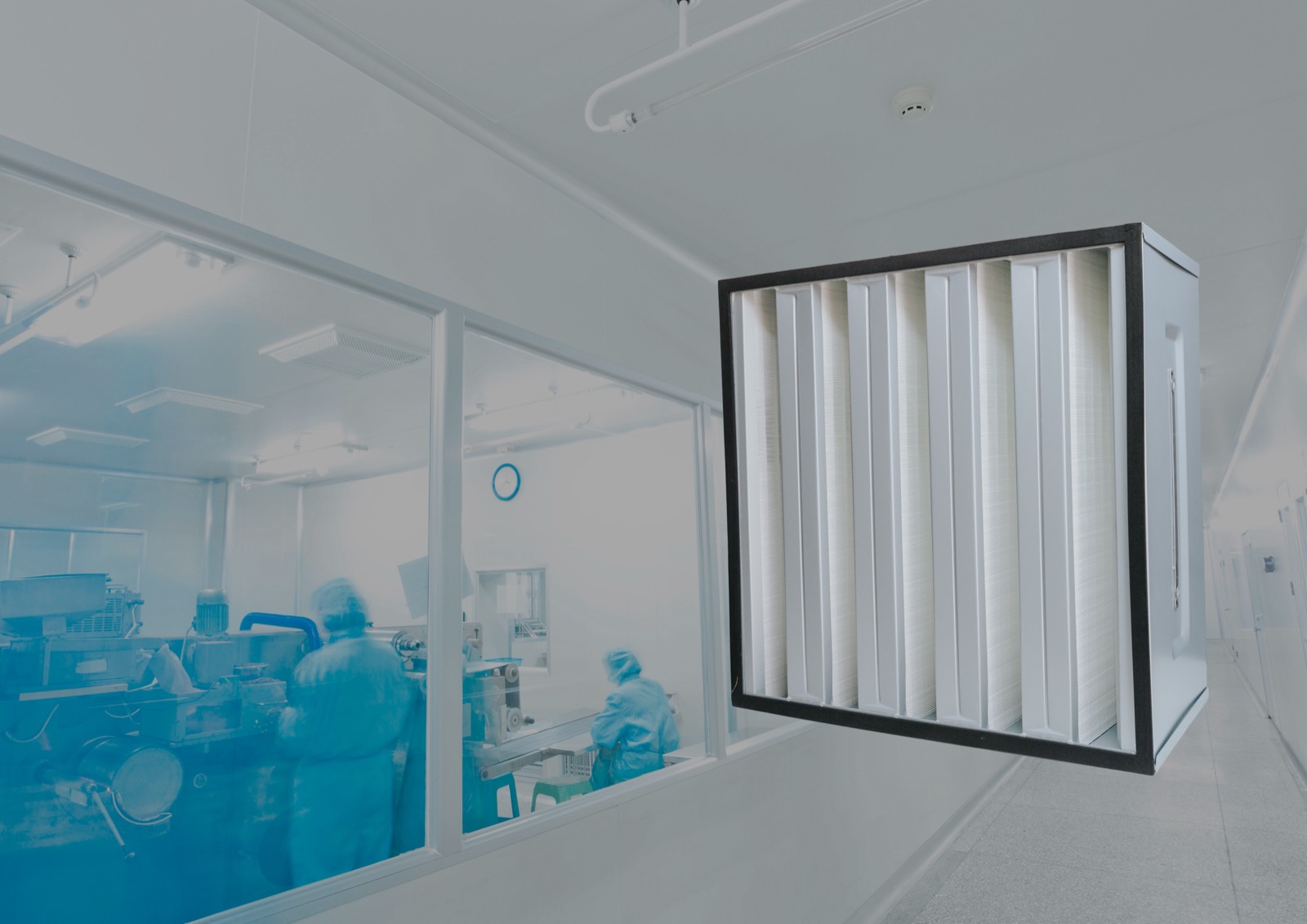
Cleanroom testing in South Africa covers three things: particle count testing to ISO 14644-1, HEPA filter integrity testing by DOP/PAO aerosol scan, and air quality plus airflow verification. Prebur delivers all three as an on-site service, with Grant Lundie as our technical partner. We are Gauteng-based, with national coverage across South Africa. This page explains what a test involves, how often your facility is due, what the report actually says, and how to book. For the standard behind the numbers, our ISO 14644 cleanroom testing explainer carries the class limits and methods in full.
Cleanroom Testing in South Africa: What It Covers
A cleanroom test verifies that a controlled environment still performs to the class it was built for. The work splits into two core activities plus optional supporting tests. Particle count testing measures airborne contamination against the ISO 14644-1 class limits. HEPA integrity testing scans each installed filter for leaks by aerosol photometer. Beyond those, most facilities add airflow, pressure-differential, indoor air quality, or compressed air testing to ISO 8573 as their specification requires.
We run this as a Prebur service, delivered with Grant Lundie, our technical partner. Grant brings more than 25 years of experience in air testing and filtration validation across South Africa. That background matters on site, because the reading is only as good as the instrument setup and the person interpreting it.
This is verification, not consulting. We test the room, scan the filters, and report what the instruments record on the day. We do not audit your quality system or guarantee that an inspection will pass. What we give you is evidence: measured, documented, and formatted for your validation file. Booking and scope sit on our air testing service page.
What a Cleanroom Test Includes
Three procedures do most of the work, and each answers a different question. We summarise them here; the ISO 14644 explainer holds the class table, the sample-location method, and the full DOP/PAO procedure, so this page does not repeat them.
Particle count testing divides the room into a grid, samples air at calculated locations with a calibrated light-scattering particle counter, and checks the concentrations against the ISO 14644-1 class limit. The number of sample points comes from a look-up table based on floor area. Agree the occupancy state (as-built, at-rest, or operational) before the visit, because it changes the particle load the room has to hold against.
HEPA integrity testing, still often called DOP testing, is a separate check: an aerosol photometer scan looks for leaks through each installed filter’s media, frame and seal, passing at no more than 0.01% local penetration under ISO 14644-3. The full scan method and pass criteria are in the explainer. What matters to record here is the scope: this qualifies the installation and seal, and does not re-rate factory efficiency, which is set under EN 1822.
Airflow and pressure-differential testing rounds out the picture where the specification calls for it. Air velocity, air changes per hour, and the pressure cascade between rooms all feed into whether the space holds its cleanliness in use. A room can pass its particle count and still leak contamination through a door left at the wrong pressure, which is why these supporting ISO 14644-3 methods sit alongside the counts in most audits.
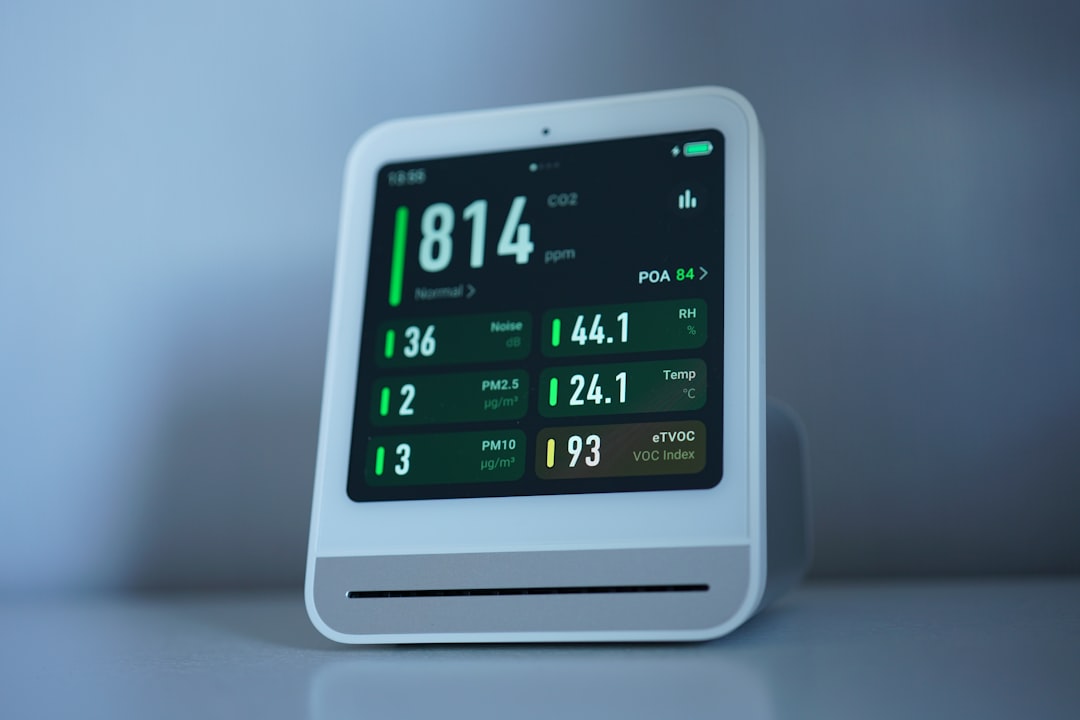
Two further tests belong to the same service where your facility runs them. Indoor air quality assessment measures the general air a workforce breathes, useful for offices and production areas outside the classified zones. Compressed air quality testing to ISO 8573 checks the air feeding processes and instruments for particulate, water and oil, which matters wherever compressed air contacts product. We scope these per site, so you pay for the tests your specification actually requires.
How Often South African Facilities Must Test
ISO 14644-2 sets the maximum requalification interval by class: 6 months for ISO 5 and cleaner rooms, 12 months for ISO 6, ISO 7 and ISO 8. Testing every 6 to 12 months is the mandated rhythm in regulated environments, and letting it lapse risks audit findings, contamination events, and in the worst case a line shutdown. Our ISO 14644 explainer sets out the interval table and how continuous monitoring can extend it.
The calendar is not the only trigger. Four events reset the clock regardless of when the last test ran:
- A new room or installation: classification establishes the baseline before production starts.
- A HEPA filter change: the new installation is integrity-tested before the room returns to service.
- A failed result: after corrective work, the affected tests are repeated to confirm the fix.
- An HVAC or room modification: any change that could affect airflow or filtration requires re-verification.
For pharmaceutical and healthcare facilities, the practical point is to plan requalification around the occupancy state your regulator or client specification requires, not just the calendar date. Operational-state testing needs coordination with your production schedule, so build that into the plan early.
Reports, and the “Accredited” Question
Our reports are issued in accordance with the relevant ISO standard methodology, chiefly ISO 14644. They are not SANAS-accredited, and we do not describe them as certified or accredited. If a provider tells you their test report is “ISO certified”, treat that as a flag: no test provider certifies a standard, and the report itself is not an accreditation.
Buyers often search for cleanroom certification, and that word is fine as a search term. The accurate description of the deliverable is testing plus a report. The room is measured against its class limits, and the report records whether it met them. It either passed on the day or it did not.
A useful report states the class, occupancy state, sample locations and their counts, the instrument and its calibration status, and a pass or fail per room, plus each HEPA filter position and its scan result. That document goes straight into your validation file, where an auditor can read exactly what was measured and how. It demonstrates the room’s performance on the day of testing.
When you compare quotes, ask each provider to describe the deliverable in this language. A quote that promises to certify or accredit the report is describing something that does not exist. The honest wording, a report in accordance with ISO 14644 methodology, is also the wording your auditor is trained to accept.
Coverage and How to Book
Our base is in Gauteng, so greater Johannesburg and Pretoria are the primary service area. We also cover the rest of South Africa, including Cape Town and Durban, with travel and scheduling confirmed in the quote. Existing Prebur filter-supply clients receive preferential rates on testing.
To get an accurate quote, give us four things:
- Facility type: pharma, hospital, laboratory, medical-device, food, or electronics.
- Room and filter-position count: how many rooms, their floor areas in m², and how many installed HEPA terminals need scanning.
- Target class or grade per room: ISO 5 to ISO 8, or the GMP grade if you work to Annex 1.
- Services needed: particle counts, HEPA integrity, airflow, pressure differentials, or air quality.
With that, we confirm scope, scheduling and pricing by return. Book through the form on our air testing page, email [email protected], or call Nick on +27 74 159 1634. The quickest route to a firm date is a short room list with areas and filter counts attached, because those two numbers drive the time on site.
Supply and Test Under One Roof
The reason to buy testing from a filter supplier shows up on the day a scan fails. When an integrity test finds a leaking HEPA, the room stays out of service until that filter is replaced and re-scanned. If the replacement is a standard size sitting in our Pretoria warehouse, the room can be back in service quickly. If it has to be imported, you wait weeks.
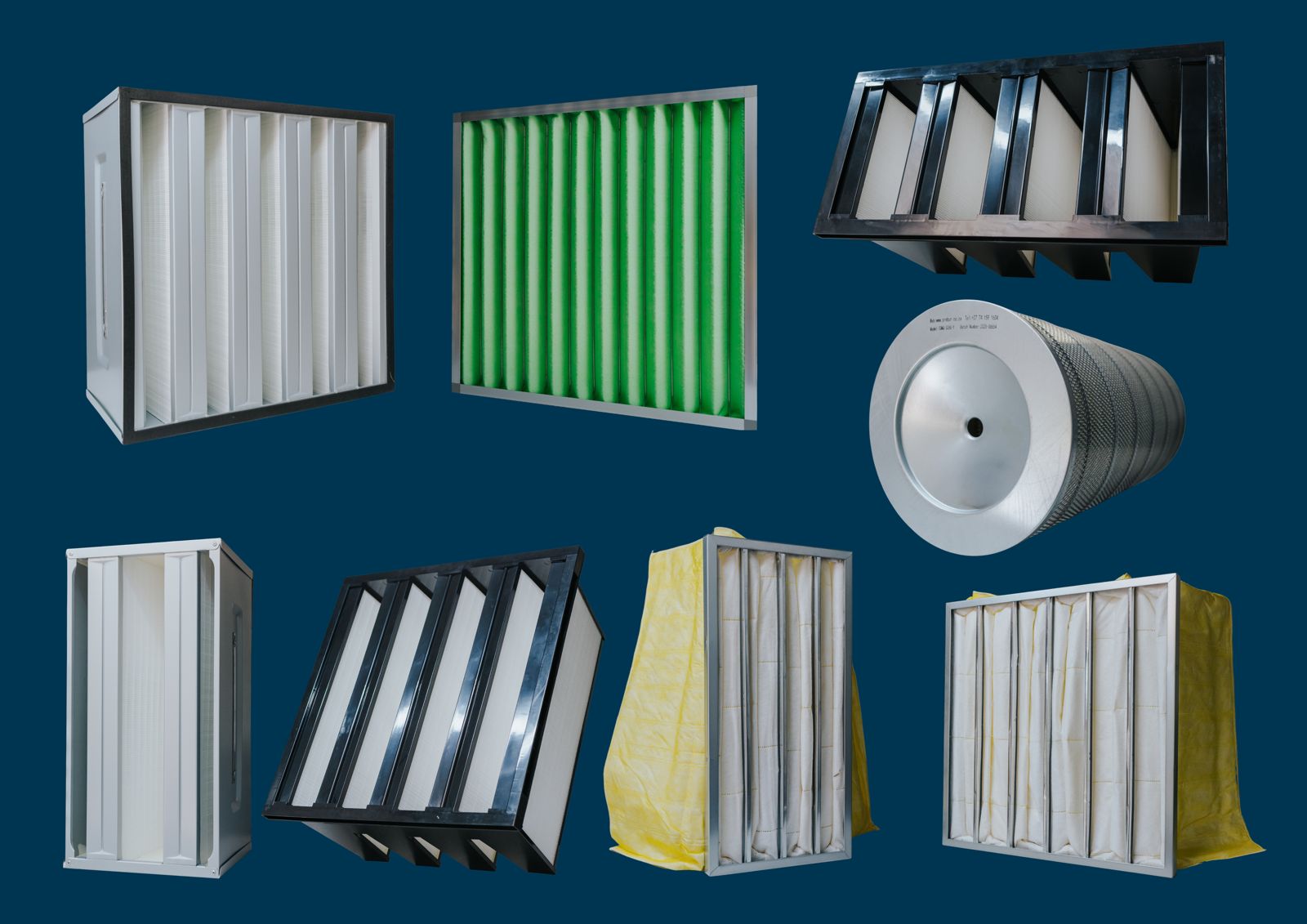
We hold standard-size HEPA filters in stock in Silverton, Pretoria, with same-day despatch on in-stock standard sizes and free nationwide delivery on online orders. Non-standard dimensions are made to order on a 7 to 10 day lead time, with availability confirmed the same business day. Every HEPA unit, H13 and H14, ships with an individual serial-numbered EN 1822 test certificate for your validation file. Certificates are a HEPA feature and are not supplied with G4, F9, or other non-HEPA grades. Our companion guide on choosing and sizing HEPA filters in South Africa covers the supply side in detail.
Prebur has supplied the filters these rooms run on since 1989, so the verification and the replacement stock come from one supplier: one call for the test, one call for the fix.
Need a cleanroom tested, or a failed filter replaced? Request testing or call Nick Els on +27 74 159 1634.
Frequently Asked Questions
What is cleanroom testing?
Cleanroom testing is on-site verification that a controlled environment still performs to its design class. In practice it means counting airborne particles against ISO 14644-1 limits and scanning each installed HEPA filter for leaks. Air quality, airflow and pressure differentials are tested where the facility specifies them.
How often must a South African facility test its cleanrooms?
ISO 14644-2 sets the maximum interval: 6 months for ISO 5 and cleaner rooms, 12 months for ISO 6 to ISO 8. Testing is also required after a new installation, a HEPA filter change, a failed result, or any HVAC modification that could affect airflow or filtration.
Do you provide SANAS-accredited cleanroom testing reports?
No. Our reports are issued in accordance with the relevant ISO standard methodology, chiefly ISO 14644, but they are not SANAS-accredited. The report states the instruments used, their calibration status, the recorded counts per location, and a clear pass or fail against the stated class.
What areas do you cover for cleanroom testing?
We are Gauteng-based, so greater Johannesburg and Pretoria are our primary service area. We also provide national coverage across South Africa, including Cape Town and Durban. Give us your facility location with your room list and we confirm scheduling and travel in the quote.
What is the difference between cleanroom testing and cleanroom certification?
They usually describe the same job. Buyers search for cleanroom certification, but strictly a provider tests your room against ISO 14644 limits and issues a report in accordance with the standard's methodology. The room either meets its class limits or it does not. No provider certifies the standard itself.
Can you supply the replacement filters if a test fails?
Yes. A failed HEPA integrity scan usually means the filter is replaced and re-scanned. We hold standard-size HEPA filters in stock in Pretoria, so the fix does not wait on an import lead time. Custom dimensions are made to order on a 7 to 10 day lead time.
Need help choosing the right filter?
Speak to Nick Els for expert advice on filter selection, cross-referencing, and pricing for your facility.